 Back to Guides
The Real Timeline of a Roof Insurance Claim, Start to Finish


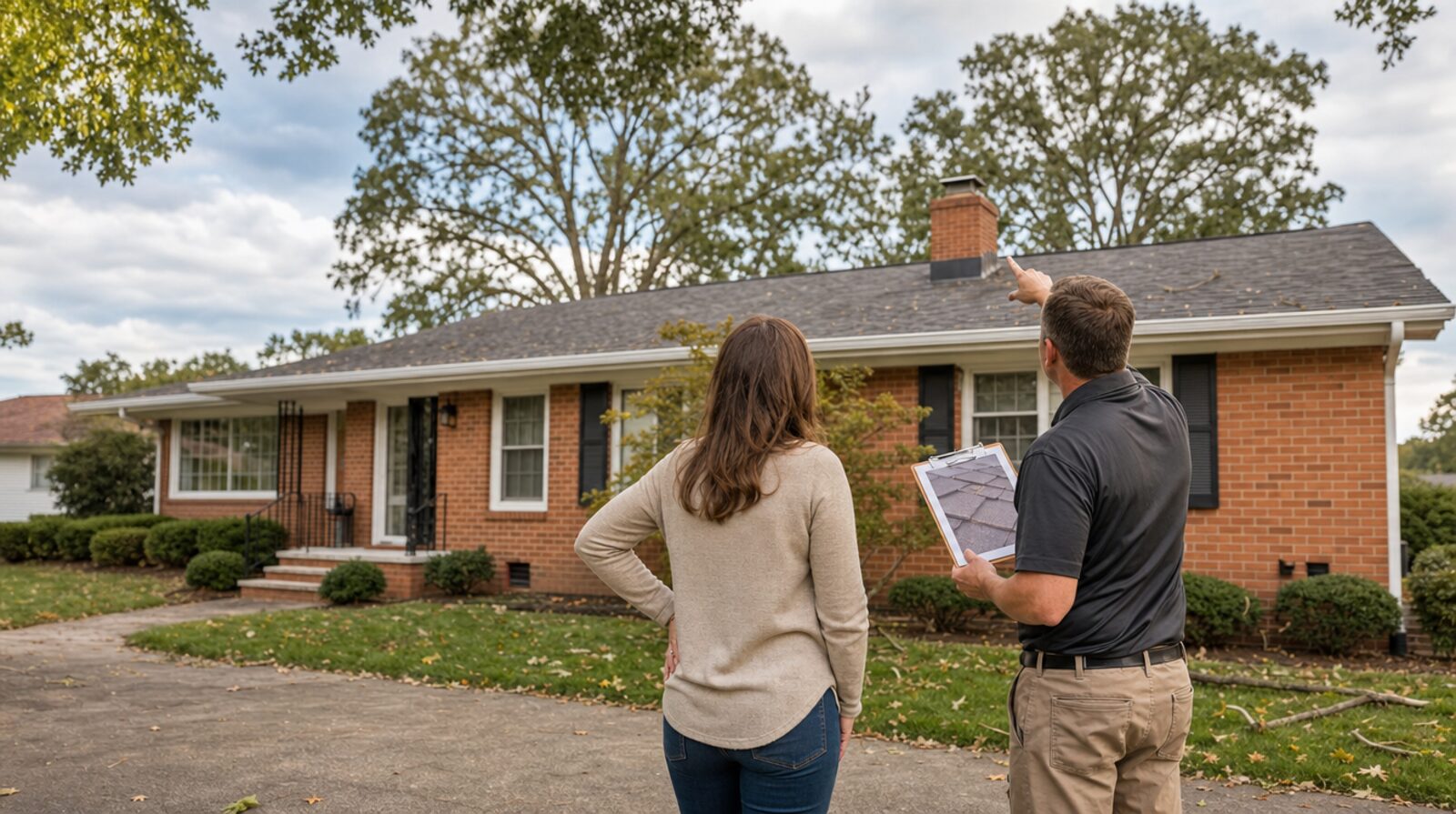
Every homeowner asks us the same thing after a hailstorm rolls through Greensboro or a straight-line wind event tears through Winston-Salem: "How long is this going to take?" It's a fair question, and the honest answer is that it depends on your insurance carrier, the time of year, and how much storm activity is happening across the region at once. But after climbing roofs across the Triad for decades, we can walk you through what actually happens, in what order, so you're not guessing.
Week One: Documentation and the Adjuster Meeting
The clock starts the moment you notice damage, not the moment you file. As soon as you suspect hail, wind, or a fallen limb has compromised your roof, call your insurance company to open the claim and get an adjuster appointment on the books. In our experience, this appointment typically lands somewhere between three days and two weeks out, depending on storm volume in your area. After a widespread regional storm, expect the longer end — carriers pull in adjusters from out of state and they're working through hundreds of homes.
Before that adjuster ever steps foot on your property, we strongly recommend getting a contractor up there first. Here's why: adjusters are often covering 8-10 inspections a day during catch-up season, and they can miss damage that isn't obvious from a quick walk of the roof plane. We look at soft metals first — gutters, vents, flashing, downspouts — because hail bruises those before it visibly cracks a shingle mat. If we find consistent hail hits on the metal but the adjuster's report only notes "wear and tear," that mismatch is exactly what we help homeowners push back on.
We ask to be present for the adjuster meeting whenever the homeowner is comfortable with it. Two sets of eyes on the same roof, comparing notes in real time, resolves more disagreements on the spot than a phone call a week later ever will.
Weeks Two to Four: The Estimate and Scope Negotiation
After the inspection, the carrier issues a scope of work and an estimate, usually within 5-10 business days. This is where things either move smoothly or stall out, and the difference almost always comes down to whether the scope matches what's actually needed to do the job correctly.
A few things we check line-by-line on every estimate before a homeowner signs anything:
- Code-required items. If your county or municipality requires ice-and-water shield in valleys, drip edge, or a specific number of nail penetrations per shingle, and the estimate skips it, that's a gap that needs to be added — not absorbed by the contractor for free.
- Full slopes versus patch repairs. Most manufacturers won't warranty a roof where mismatched shingle runs are patched into an existing slope. If hail hit one elevation hard, the estimate should reflect a full slope replacement, not a partial.
- Decking allowance. Older Triad homes, especially anything built before the 1990s, often have plank decking or thin sheathing that doesn't hold up once shingles come off. A reasonable decking replacement allowance (usually written as a per-sheet estimate) should be in there from the start.
- Flashing and ventilation. Step flashing, counter-flashing at chimneys, and ridge or box vents get overlooked constantly. These are cheap to include upfront and expensive to fight for later as a supplement.
If we find gaps, we write up a supplement request with photos and, when needed, matching manufacturer specs, and send it to the adjuster or the carrier's desk examiner. This negotiation phase is usually the longest stretch of the whole process — plan on two to four weeks if there's any back-and-forth, longer if the carrier requests a second inspection or an engineer's report, which does happen on older roofs or when there's a coverage dispute.
Weeks Four to Eight: Scheduling and Materials
Once the scope is settled and you've accepted the claim, real scheduling begins. A few things affect where you land on the calendar:
- Material lead time. Standard architectural shingles in common colors are usually in stock or a few days out. Specialty colors, metal panels, or slate and cedar tend to run two to six weeks depending on the manufacturer and the season.
- Crew availability. Late spring through early fall is our busiest stretch, same as every roofing company in the region, because that's when storm season and ideal working weather overlap. If your claim closes out in June, expect a longer queue than one that closes in February.
- Weather windows. A full tear-off needs a stretch of dry weather, generally two consecutive rain-free days for an average single-family roof, more for larger or steeper homes. We build in a buffer and communicate delays as soon as a forecast shifts, rather than leaving you guessing.
Most straightforward asphalt shingle replacements, once scheduled, take one to two days on the roof from tear-off to final cleanup. Steeper pitches, multiple layers of old shingles to remove, or extensive decking replacement can push that to three or four days.
Final Step: Depreciation, Final Payment, and Closing the Loop
Most policies pay in two parts: an initial actual cash value payment up front, and a depreciation holdback released after the work is complete and documented. Once we finish the job, we send the carrier a completion certificate, final invoice, and photos. Depreciation release from the carrier typically takes one to three weeks after that paperwork goes in, though this varies by insurer.
Keep every piece of paperwork in one folder as you go — the original estimate, any supplement approvals, the contract, and the final invoice. If a warranty question or a leak comes up down the road, that paper trail is what makes a follow-up visit fast instead of a headache.
Start to finish, a clean claim with no disputes can wrap in four to six weeks. A claim with a contested scope, a busy storm season, or specialty materials can run two to three months. Neither pace is unusual — what matters is that you know which stage you're in and what's supposed to happen next.
Stop Guessing on Price
Get precise measurements and a detailed price range for your specific roof right now using our AI technology. No home visit required.
Get my price