 Back to Guides
Cool Roofing: Do Lighter Shingle Colors Really Lower Your Energy Bill?


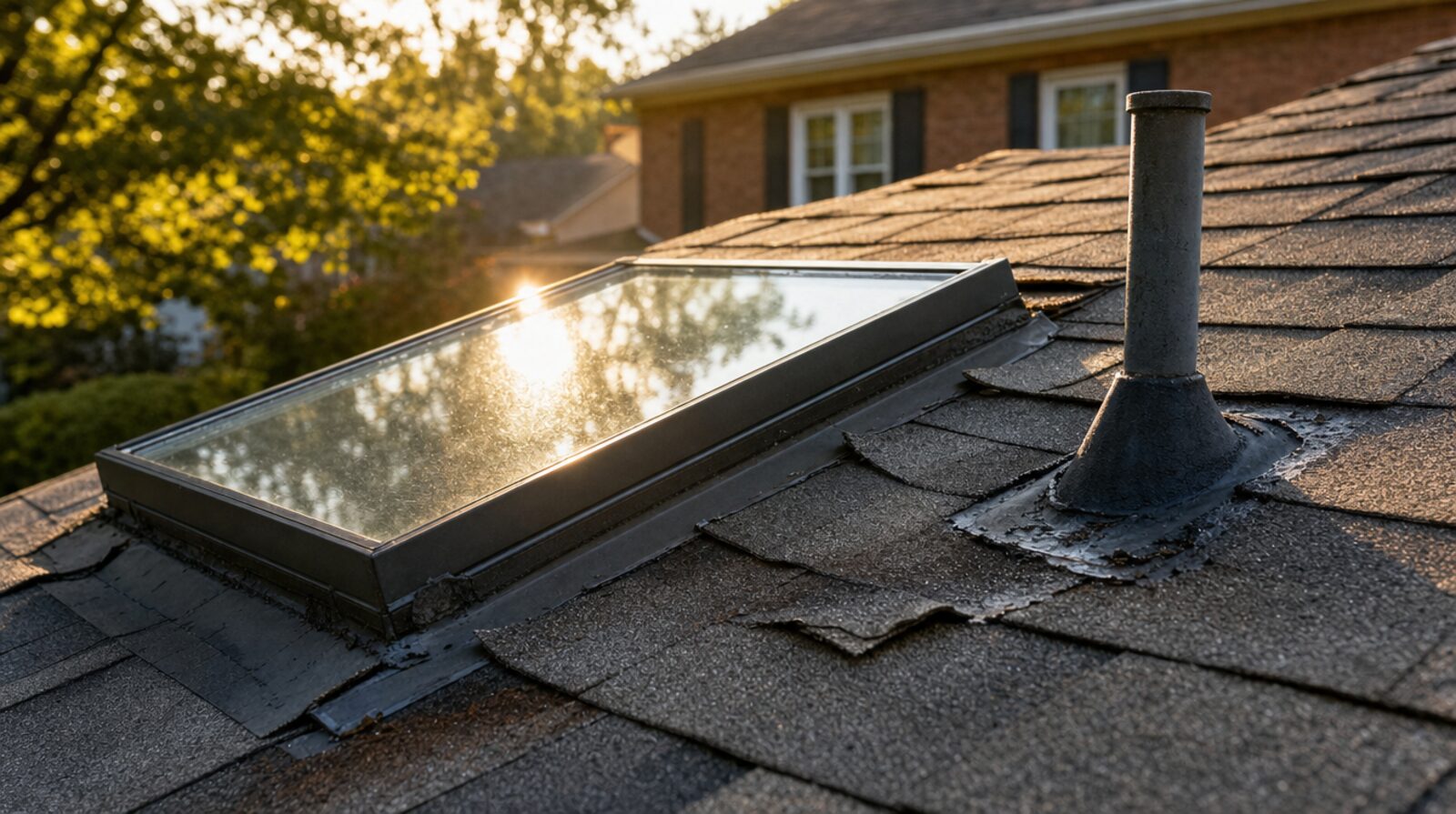
Every summer we get some version of the same question from a homeowner standing in their driveway squinting up at a roof estimate: "If I go with a lighter color shingle, will that actually lower my energy bill?" It's a fair question, and the honest answer is yes — but not nearly as much as most people expect, and color is far from the biggest lever you can pull.
We've replaced roofs all over Greensboro, High Point, and Winston-Salem in the dead of July, standing on shingles hot enough to feel through a boot sole. So let's talk about what's actually happening up there, and what's worth paying for.
The Real Physics of a Hot Roof
Asphalt shingles absorb solar radiation and convert it to heat. Dark shingles — charcoal, black, dark brown — absorb more of that radiation and can run noticeably hotter on the surface than a light gray, tan, or "cool color" shingle on the same sunny afternoon. That part is simple physics and it's true.
Where it gets more complicated is how much of that surface heat actually makes it into your living space. Between the shingle and your ceiling drywall, you typically have:
- An air gap or decking
- Roof decking (usually OSB or plywood)
- An attic air space, ideally ventilated
- Attic insulation
- The ceiling itself
Each of those layers slows heat transfer. So while a dark roof surface might run 20-30 degrees hotter than a light one on a blazing afternoon, the difference that reaches your attic — and eventually your living space — is a fraction of that, and it's heavily dependent on what's happening in those layers underneath.
What Lighter Shingles Actually Save You
In our experience, and consistent with what manufacturers who make algae-resistant and "cool roof" rated shingles report, a lighter-colored architectural shingle can reduce attic temperatures by roughly 10-15 degrees compared to a dark shingle on an otherwise identical roof, and shave a modest amount off summer cooling costs — generally in the range of a few percentage points on your cooling-specific energy use, not your whole power bill. If your AC unit is doing most of its work in July and August, that's real money over a season, but it's not going to be the difference between a $300 and a $150 power bill.
The bigger factor is what you pair the color with. A light shingle over a poorly ventilated attic with six inches of insulation will still leave you with a hot attic and higher bills. A mid-tone shingle over a properly ventilated attic with correct insulation depth will often outperform a light shingle over a badly built attic system.
If you're choosing a shingle color purely for energy savings, you're optimizing the smallest variable in the system. Ventilation and insulation do the heavy lifting.
What Actually Moves the Needle
Before you agonize over "dove gray" versus "weathered wood," look at these three things — they matter more for your summer energy bill than shingle color ever will:
- Attic ventilation. A balanced system of intake (soffit vents) and exhaust (ridge vent or box vents) lets hot air escape instead of baking against your insulation and ceiling all day. Most of the older Triad homes we work on are under-ventilated for the roof area they have.
- Insulation depth and condition. If you've got old, compressed, or moisture-damaged insulation in the attic, that's costing you more than any shingle color decision. Check it while your roof is off or accessible — it's the cheapest upgrade to bundle into a reroof.
- Radiant barrier decking or underlayment. Some roof systems now use decking with a reflective foil facing, or a radiant barrier laid in the attic, that reflects radiant heat before it ever gets absorbed into the structure. This tends to have a bigger measurable effect on attic temperature than shingle color alone.
So Should You Still Go Lighter?
If you're already replacing your roof and two shingle options are otherwise equal in price, quality, and how they look on your house, choosing the lighter of the two is a reasonable, low-cost way to shave a little off summer cooling load — especially on a south- or west-facing roof plane that takes the brunt of Piedmont afternoon sun. It's a real, if modest, benefit with no downside. But don't let color chase away the roof color you actually want on your house. A dark charcoal roof on a brick colonial with proper attic ventilation and good insulation will run cooler and cost you less to cool than a pale roof thrown on top of a leaky, under-insulated attic. Get the ventilation and insulation right first. Pick the color you'll be happy looking at for the next couple of decades second.
If you're not sure what your current attic setup looks like, that's worth a look before you commit to any shingle color decision — it's usually a quick thing for a roofer to check while they're already up there.
Stop Guessing on Price
Get precise measurements and a detailed price range for your specific roof right now using our aerial measurement technology. No home visit required.
Get my price