 Back to Guides
Class 4 Impact-Resistant Shingles: Are They Worth the Insurance Discount?


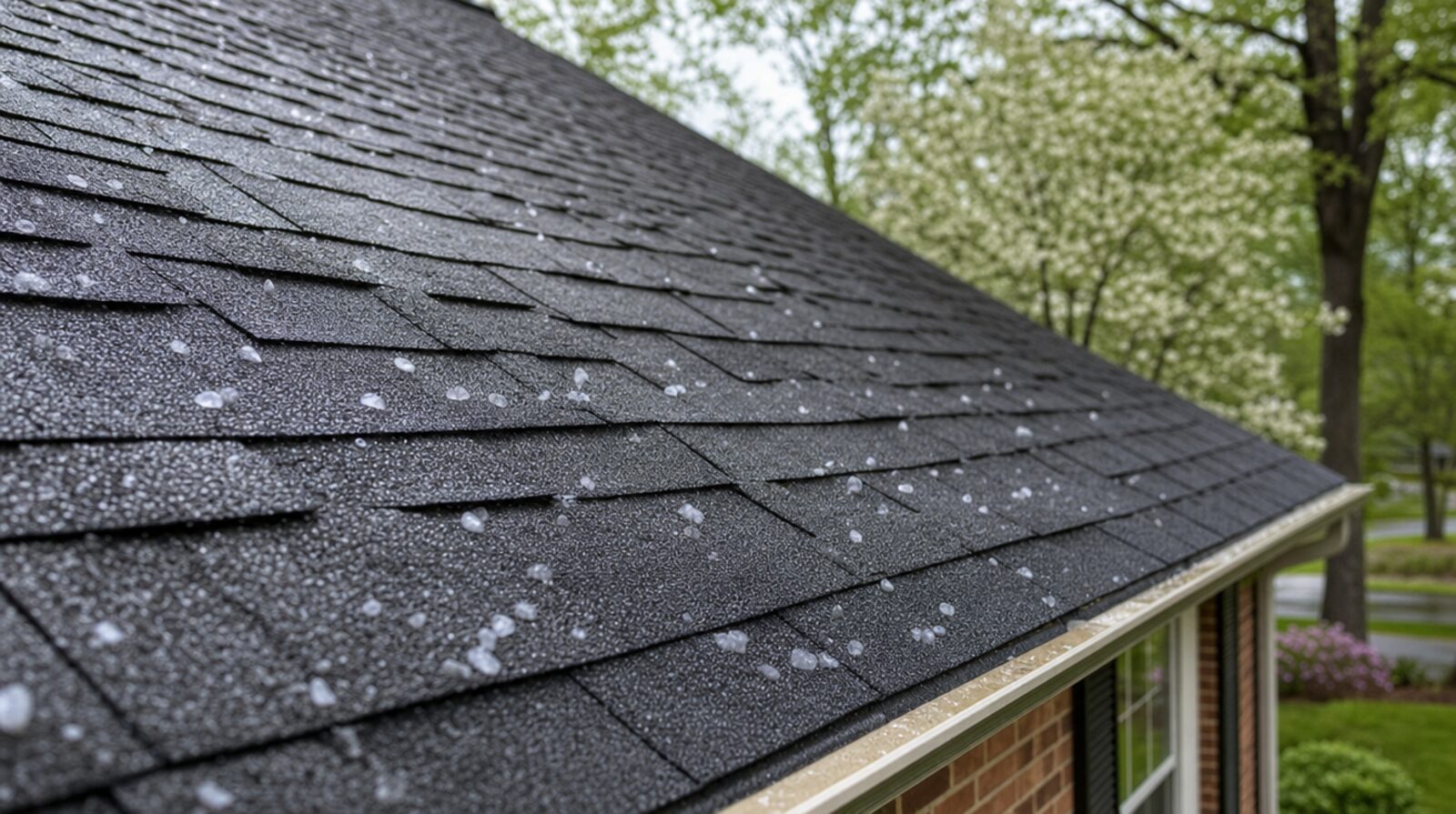
Every spring, once the Piedmont Triad starts getting those fast-moving thunderstorm cells rolling through Guilford, Alamance, and Randolph counties, we get the same phone call: "My insurance agent said I could get a discount if I put on impact-resistant shingles — is that actually worth it?" It's a fair question, and the honest answer is: it depends on your insurer, your roof size, and how long you plan to stay in the house. Let's break down what Class 4 shingles actually are and whether the math works in your favor.
What "Class 4" Actually Means
Impact resistance for roofing shingles is measured using UL 2218, a standardized test where steel balls of increasing size are dropped onto a shingle sample to simulate hail impact. Class 4 is the highest rating on that scale — it means the shingle withstood a 2-inch steel ball dropped from 20 feet without cracking the mat underneath. That's roughly equivalent to a golf-ball-to-baseball-sized hailstone, which is right in the range we see during a bad spring storm here in the Triad.
The key thing homeowners misunderstand: a Class 4 rating doesn't mean the shingle won't show any marks. Hail can still bruise or dent the surface granules. What it means is the fiberglass mat underneath stays intact, so the shingle keeps doing its job of shedding water instead of splitting open and letting moisture into the decking.
Most Class 4 shingles achieve that rating one of two ways:
- Polymer-modified asphalt — the asphalt itself is blended with rubber or plastic polymers that flex under impact instead of cracking.
- Heavier fiberglass mat construction — a thicker, denser mat base that resists puncture regardless of the asphalt formulation.
Both approaches show up across the major shingle lines, from architectural (dimensional) styles to some three-tab products, so getting Class 4 doesn't automatically mean sacrificing the look you want for your home.
The Insurance Discount: What to Actually Expect
Here's where we have to manage expectations, because this is the part homeowners get the most excited about — and sometimes the most disappointed by. Insurance discounts for impact-resistant roofing vary a lot by carrier, and North Carolina doesn't mandate a specific discount the way some hail-prone states do. What we typically see:
- Some carriers offer a percentage off the roof or dwelling premium, often in the range of 5-30%, but the exact figure is set by the individual insurer's underwriting guidelines.
- A few carriers only apply the discount to wind/hail coverage specifically, not your full premium.
- Some insurers require documentation — a manufacturer's certification sheet showing the specific shingle line carries a Class 4 (UL 2218) rating — before they'll apply anything.
- Not every carrier offers a discount at all. It's worth calling your agent before you commit to the upgrade, not after, so you know what you're actually working with.
Because the range is so wide, we tell people not to buy Class 4 shingles purely as a financial bet on the discount. Call your agent first, get the actual percentage in writing, and then run the numbers on your specific policy. If your annual premium is $1,800 and the discount is 10%, you're saving $180 a year — that's real money over a couple decades, but it's not going to pay for the upgrade by itself in year one.
The Real Cost-Benefit Math
Class 4 impact-resistant shingles generally run somewhere between 10-20% more than a comparable standard architectural shingle, depending on the manufacturer and product line. On an average Triad roof, that might mean an upgrade cost in the low thousands rather than being a marginal add-on.
So where does the value actually come from? In our experience it's less about the annual premium discount and more about these three things:
- Fewer wind and hail claims over the life of the roof. A roof that resists granule loss and mat cracking during a moderate hail event may not need a claim-triggering repair at all, which keeps your claims history cleaner — and a clean claims history matters more to your long-term premium than almost anything else.
- Longer functional life in a storm-prone region. Standard shingles that take repeated hail hits over the years tend to show accelerated granule loss, which shortens their effective lifespan even without an obvious leak.
- Resale appeal. Buyers and their agents increasingly ask about impact ratings, especially for homes in areas that get regular severe thunderstorm activity, which the Piedmont Triad certainly does each spring and summer.
Where it makes less sense: if you're planning to sell within a year or two, or if your particular insurer doesn't offer a meaningful discount and your existing roof has plenty of life left in it. There's no reason to replace a roof early just to chase a discount that may not exist with your carrier.
Questions to Ask Before You Decide
If you're weighing this upgrade, here's the short list we walk homeowners through:
- Call your insurance agent and ask directly what discount, if any, applies to UL 2218 Class 4 shingles on your specific policy — get the percentage in writing.
- Ask whether the discount applies to your whole premium or just the wind/hail portion of coverage.
- Compare the material upgrade cost for your roof's square footage against the annual savings, and calculate the simple payback period.
- Factor in how many more years you plan to stay in the home — a 10-year payback only pays off if you're still there in year 10.
- Ask your roofer which specific product lines they install carry a genuine Class 4 rating, since not every shingle in a manufacturer's lineup does.
We've installed Class 4 shingles on plenty of Triad homes where the math made obvious sense, and we've talked other homeowners out of it when their existing roof was still solid and their carrier's discount was minimal. If you want a straight answer for your specific roof and policy, bring us your insurance quote and we'll help you run the actual numbers rather than guess.
Stop Guessing on Price
Get precise measurements and a detailed price range for your specific roof right now using our aerial measurement technology. No home visit required.
Get my price