 Back to Guides
Why Summer Is Actually the Best Time to Schedule a Roof Replacement


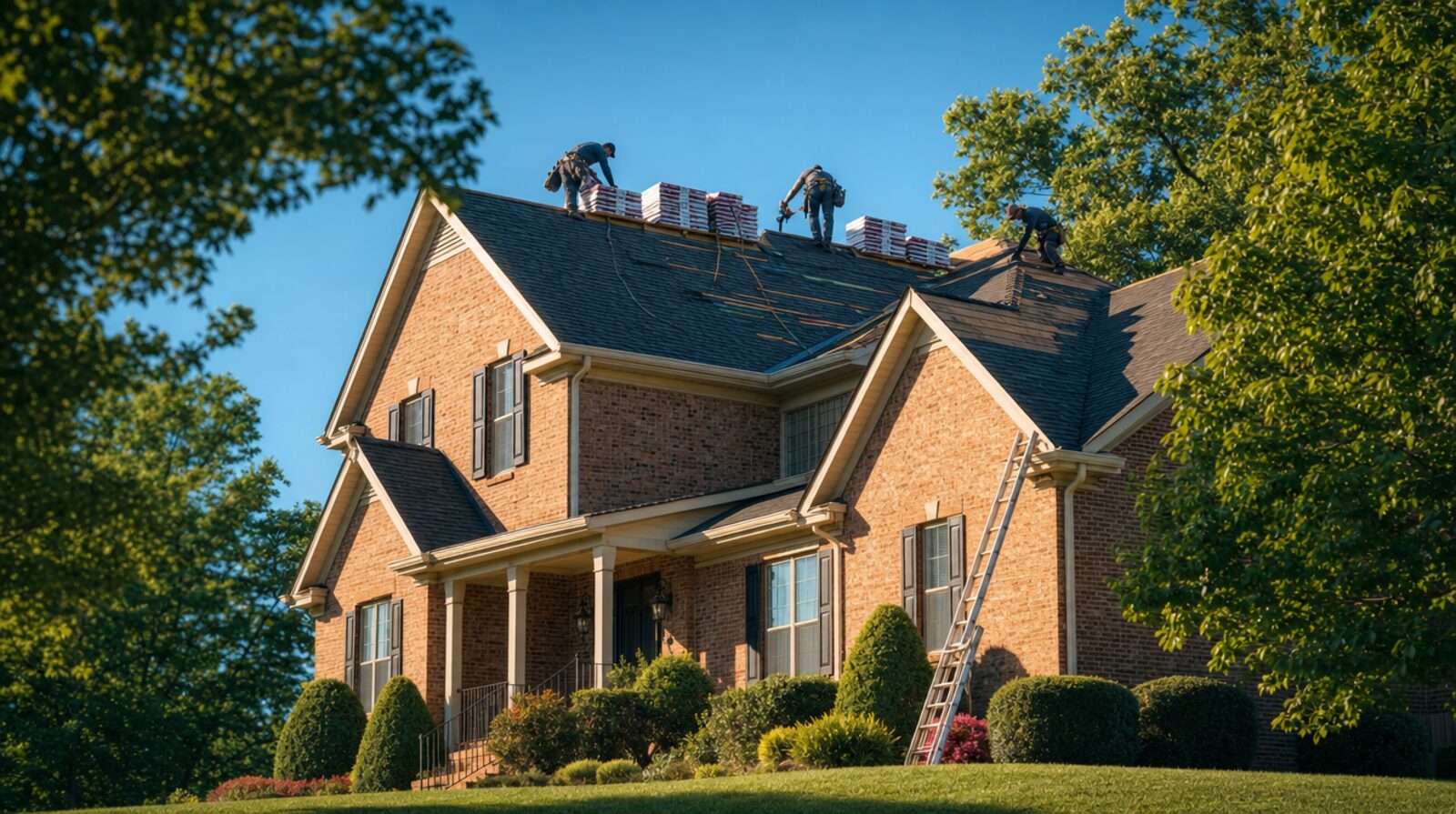
Every year around this time, we get the same question from Greensboro and Winston-Salem homeowners: "Isn't it too hot to put on a new roof?" It's a fair thing to wonder — standing on black shingles in July sun feels brutal from the ground looking up. But from a materials and scheduling standpoint, summer is actually one of the smartest windows to replace a roof in the Piedmont Triad. Here's why.
Shingles Seal Best in Warm, Stable Weather
Asphalt shingles rely on a self-sealing adhesive strip that activates with heat and sunlight. When a shingle is nailed into place, that strip needs to soften and bond to the shingle below it, creating the wind and water seal that protects your home for the life of the roof. In warm weather, that bond forms within a day or two of installation. In cold weather — especially anything under 40-45°F — the adhesive can stay stiff for weeks, leaving shingles vulnerable to wind lift until temperatures finally climb enough to activate the seal.
Summer in the Triad checks that box reliably. Once daytime highs settle into the 80s, every shingle we lay is sealing itself within a day of installation, not sitting exposed and waiting on a warm spell that may not come until spring.
What This Means for Nailing and Flashing Too
It's not just the shingles. Underlayment, flashing sealants, and even the caulks used around vent boots and chimneys cure and adhere better in warm, dry conditions. Cold-weather installs often require extra care — and sometimes hand-sealing tabs that would otherwise seal themselves — to compensate for the temperature. In summer, the materials do more of that work on their own.
Long Dry Stretches Mean Faster, Cleaner Tear-Offs
A roof replacement is really two jobs back to back: tearing the old roof off down to the deck, then building the new one back up. During tear-off, your home has zero protection from the weather except tarps and good timing. The single biggest risk to that process isn't heat — it's rain interrupting a job mid-tear-off.
Summer in North Carolina brings plenty of sun between the occasional afternoon thunderstorm, and a lot of those storms are short, predictable, and easy to plan around if your crew is watching the radar. That's very different from a wet, unpredictable stretch of March or November weather that can shut a job down for days at a time. Longer dry windows mean:
- Full tear-off and dry-in completed in the same day on most residential roofs
- Less risk of water finding its way into exposed decking overnight
- Fewer schedule delays that push your project — and your neighbor's project behind it — further out
You Beat the Fall Rush
Every roofing contractor in the Triad sees the same pattern: calls pick up in September and October as homeowners notice storm damage from summer thunderstorms, get ready for winter, or simply decide to knock the project out before the holidays. That surge means longer waits for an inspection, longer waits for material delivery, and crews stretched thin trying to get everyone taken care of before the weather turns.
Scheduling in summer — even mid-to-late summer, like now — puts you ahead of that curve. You're not competing with half the neighborhood for the same crews and the same shingle bundles, and if a storm does roll through in September, your roof is already new instead of on a waiting list.
What to Expect If You Schedule a Summer Replacement
A few practical notes for anyone weighing a summer project:
- Early starts are normal. Most crews begin at or before sunrise in summer to get the bulk of tear-off and deck work done before peak afternoon heat.
- Attic temperatures will spike during the work. With the roof open to the sky for stretches of the day, attic spaces run hotter than usual during installation — this is temporary and has no effect on the finished roof's performance.
- Shingle color affects surface temperature, not lifespan. Darker shingles run hotter to the touch on a summer roof, but manufacturers engineer them to handle Southern heat; it's a comfort and attic-ventilation conversation, not a durability one.
- Good attic ventilation matters more in summer. If your roof doesn't have adequate ridge and soffit ventilation, a replacement is the ideal time to correct it, since proper airflow reduces heat buildup and helps the new shingles perform the way they're designed to.
If you've been putting off a roof replacement waiting for "better" weather, it's worth flipping that thinking around. The heat that makes tear-off day uncomfortable for the crew is the same heat that seals your new shingles properly and keeps the schedule moving. Combine that with getting ahead of the fall rush, and summer earns its reputation among roofers as the season to get it done right.
Stop Guessing on Price
Get precise measurements and a detailed price range for your specific roof right now using our aerial measurement technology. No home visit required.
Get my price